Commercial Waste in Deptford
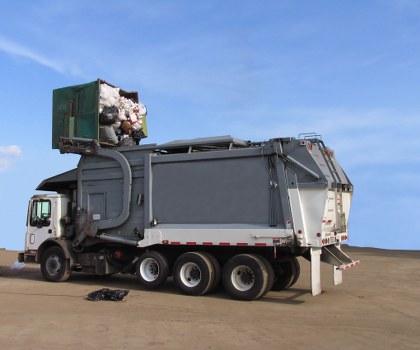
Commercial waste in Deptford needs a practical, reliable approach that keeps business premises clear, workspaces orderly and disposal routines straightforward. We provide business waste removal for premises that produce mixed refuse, recyclable materials and bulky items, with a service shaped around everyday operational needs rather than one-off disruption. The aim is simple: collect the right waste streams, handle them carefully and move them on through the most suitable route available.
Our work covers regular and ad hoc collections for shops, offices, hospitality venues and other workplaces that need a clear-out, an ongoing uplift or a scheduled disposal visit. Depending on what you have on site, we can remove sacks, boxes, packaging, office furnishings, redundant stock and other non-hazardous commercial waste. If you need to request a quotation, you can start with the service details below and choose the page that fits the type of waste you want removed.
For businesses, the most useful service is the one that balances speed, sorting and responsible handling. That means considering what should be separated for recycling, what needs special treatment and what can be taken away together as a mixed load. It also means understanding which service fits the job, whether that is a single clearance, a recurring uplift or a more focused collection for items such as office furniture, appliances or confidential paper. Start with the type of waste, then choose the service that matches it.
Business Waste Removal for Day-to-Day Operations
Our business waste removal service is designed for workplaces that need routine disposal without turning waste handling into a distraction. It suits premises with recurring rubbish, packaging and mixed light commercial waste that builds up through normal trading. Rather than leaving each department to improvise, a planned removal keeps back-of-house areas, stock rooms and shared spaces easier to manage. That can be particularly useful where waste volumes vary across the week.
Commercial waste removal also helps when a business is changing layout, clearing old equipment or dealing with overflow from deliveries and seasonal activity. Loads are easier to handle when items are grouped sensibly, and the service can be adapted to the make-up of the waste rather than forcing everything into one rigid pattern. If your premises need a tailored uplift, send the details of the load and use the service pages to match the waste type with the most suitable route.
For many customers, the main decision is whether waste is genuinely general commercial rubbish or whether some of it belongs in a more specific service. Office furniture, appliances, confidential material and larger domestic-style items can each call for a different approach. Choosing carefully can make disposal clearer for staff and can reduce unnecessary handling on site. Matching the waste stream to the right page is usually the simplest place to begin.
Office Clearances and Confidential Material
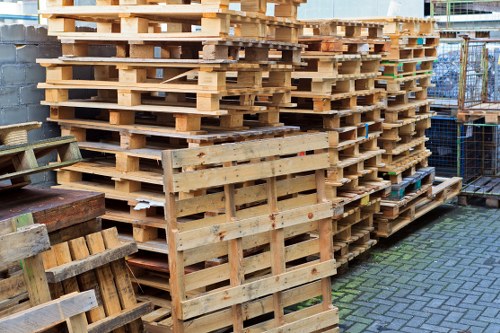
Many workplaces need more than a simple rubbish uplift. An office move, refurbishment or reorganised workspace can leave desks, chairs, filing cabinets, monitors, printers and general office clutter that needs to be removed in a sensible order. Our office clearance service is intended for that kind of setting, where items may need to be taken away as part of a wider tidy-up or change of use. It helps businesses recover usable floor space without trying to manage large volumes of redundant furniture and equipment internally.
Where paper records and sensitive files are involved, the task can be more specific again. Confidential shredding is a better fit for documents that should be destroyed securely rather than mixed in with ordinary office waste. This is especially relevant where paper storage has built up over time and needs to be reduced in a controlled way. If you are comparing service options, think first about whether the material is general office waste, bulky office items or records that require secure treatment.
Helpful planning usually comes down to a few simple decisions: which items stay, which items leave and whether the job is a full clearance or a partial uplift. A brief inventory of desks, storage units, archived papers and loose waste can make the collection easier to organise. It is also worth separating reusable office items from broken ones where possible, because a mixed load is not always the best solution for every workplace. Ask for a quotation when the category of waste is clear.
Furniture and Appliance Disposal

Commercial premises often need bulky item disposal when a fit-out changes, furniture wears out or old stock is no longer suitable for use. Our furniture disposal page covers the removal of standalone pieces and larger quantities of commercial furniture where the main task is safe collection and onward handling. This may include chairs, tables, reception furniture, shelving and other items that are awkward to move through an active workspace.
Some businesses also need a service that deals with white goods and other appliances. Fridge and appliance removal is relevant where electrical items are being replaced, decommissioned or cleared from storage. Because appliances can be heavy and awkward, it is sensible to identify them separately from standard waste before the job is arranged. If sofas or mattress-type items are involved in a commercial setting, such as furnished accommodation or storage of returned stock, the appropriate route is different again, and the mattress and sofa disposal page can help direct that choice.
In practice, the best results come from grouping similar bulky items before collection day. That makes access clearer, reduces confusion for staff and helps decide whether the load is mainly furniture, mainly appliances or a mix of both. Where items are still serviceable, businesses sometimes prefer to separate them from damaged stock so the right disposal route can be chosen. If you are unsure which service fits, the simplest next step is to review the item category and ask for a quotation based on that list.
Clearance Services for Larger and Mixed Loads
Some commercial jobs are too varied for a single item category. A premises may need a full room or area cleared after an office move, stock change, refit or closure of a storage space. For those situations, business waste removal can work alongside office clearance or other dedicated pages so the waste type is matched properly. The point is not to force every item into the same bin stream, but to choose the most practical route for the contents on site.
Where the work extends beyond offices, other clearance pages can be more appropriate. builders waste clearance suits commercial renovation debris, while garage clearance and loft clearance can be useful where storage areas or outbuildings attached to business premises have become overcrowded. A mixed job is often easier to manage when the larger item groups are separated first, because that reduces handling and makes the final load easier to understand.
The commercial decision here is usually about scope. Are you clearing an office floor, a rear store, a service room or an entire unit? Is the problem mostly furniture, mostly packaging or a blend of general rubbish and bulky goods? Once those questions are answered, the quotation can be based on the actual work rather than guesswork. Keep the item categories clear and the rest follows more easily.
Waste Types That Need Special Care
Not every commercial load can be treated as ordinary general waste. Some items require different handling because of their size, composition or potential effect on the waste stream. Our hazardous waste disposal page is relevant where business materials need careful management and should not be mixed with standard refuse. That may include items with specific safety concerns, but the exact category should always be checked before anything is set aside for collection.
For businesses that are mainly discarding recyclable material, packaging and mixed refuse, the simpler route may still be through waste removal. The point is to avoid placing all commercial material into one broad label when some of it deserves more precise treatment. By separating special items from ordinary rubbish, businesses can make the collection safer, the load easier to handle and the disposal route more appropriate to the contents.
Where different waste types appear together, a little sorting before collection day often helps. For example, broken office furniture, electrical items and paper records may each need to be treated differently even though they are leaving the same site. A quick review of the load can prevent unsuitable mixing and keeps the work focused. If the waste list includes items that need particular care, note them separately before you ask for a quotation.
Pricing Factors and How to Prepare the Load
Commercial waste quotations are usually shaped by the type of waste, the amount to be removed, the labour required to move it and any extra care needed for access or sorting. A small office uplift and a full premises clearance are not the same job, even if they begin with a similar enquiry. That is why it helps to distinguish between general rubbish, bulky items, secure shredding, appliances and specialist waste before the service is booked.
When preparing for collection, it is useful to keep the waste in one place if possible, remove anything that will stay on site and note any obstacles that could affect moving items out. If there are stairs, narrow corridors, loading restrictions or items stored in several rooms, those details help shape the plan. In many cases, a concise list is enough to describe the load clearly. If helpful, you can also use the pricing and quotes page to understand how enquiries are organised.
The aim is not to overcomplicate the process. It is simply to give a clear picture of what needs removing so the right service can be matched to the job. That keeps the quotation relevant and avoids confusion over whether the task is a general waste collection, a specialised removal or a broader clearance. A clear list today often saves time later.
Business Clearances Across Different Commercial Settings

Not every workplace creates the same kind of waste. A small office may generate paper, packaging and a few redundant desks, while a storage-heavy business could need help with old stock, broken shelving and mixed overflow. For fuller clearances, pages such as home clearance and flat clearance are not commercial services in themselves, but they can be relevant where a business property contains domestic-style contents, such as a furnished rental unit, a mixed-use building or a property being emptied after use. The key is to match the contents to the right description.
Other service pages can help when the items are specific. Furniture clearance is useful for larger quantities of items that are mainly soft or hard furnishings, while garden clearance can suit commercial outdoor spaces that have become cluttered with cuttings, planters or outdoor waste. By separating these categories, you can avoid treating every load as a generic pile of rubbish. That often leads to a better-organised collection and a more relevant quotation.
Once you know the waste type, the next step is to decide whether you need one collection or an arranged sequence of visits. Businesses with changing stock or recurring clear-outs often benefit from keeping their waste categories consistent from one collection to the next. If you are ready to move on, choose the page that best matches the contents and request a quotation.
About Deptford
Deptford is a district in south-east London, positioned on the south bank of the River Thames within the London Borough of Lewisham, with parts extending into the Royal Borough of Greenwich. Its identity has long been shaped by water, trade and transport, from the dockyard history associated with the Tudor and early modern period to the modern railway and Overground links that connect the area with central and eastern London. The riverfront remains a defining feature, and the wider district has a layered urban fabric that reflects successive phases of development rather than a single neat plan. Deptford Creek, where the Ravensbourne meets the Thames, is one of the area’s most distinctive natural and industrial edges, and its bridges, wharves and waterside paths mark the meeting point between working river and dense inner-city neighbourhoods. Deptford High Street adds another layer of character, with markets, independent shops and everyday civic life sitting alongside older buildings and later redevelopment. The district is also associated with cultural venues and creative activity, including the Deptford Lounge and spaces linked to local arts and community use. Historic churches, terraces and converted industrial buildings sit near newer housing and mixed-use schemes, giving the place a varied streetscape. Public green space appears in smaller pockets, while nearby stretches of the Thames Path and riverside routes connect Deptford to a wider corridor of waterfront walking and urban exploration. The area’s name is widely recognised in London history, but the present-day district is best understood as a living part of the capital with visible traces of maritime heritage, changing architecture and everyday residential and commercial life.
Choosing the Right Service for a Commercial Site
The best commercial waste arrangement is usually the one that fits the site, not the other way round. A trading unit, office floor, workshop or storage room may each produce a different mix of refuse, and the right service depends on what is actually present. If you are comparing options, review the specific pages for business waste, office clearances, furniture and appliance disposal, and any special waste category before deciding how to proceed. That keeps the enquiry focused on the real task.
It also helps to think about the pace of the job. Some collections are simple because everything is already gathered in one place; others involve moving waste from several rooms, checking what should be kept and deciding how to separate items that belong in different streams. If the contents are mostly straightforward, a basic collection may be enough. If they are mixed, bulky or sensitive, a more specific service is likely to be the better fit. For a clearer quotation, describe the load as it stands now.
If you have a commercial clearance to arrange in Deptford, use the service pages above to narrow the choice and send an enquiry when the waste type is clear. Contact us to request a quotation and set out what needs removing.