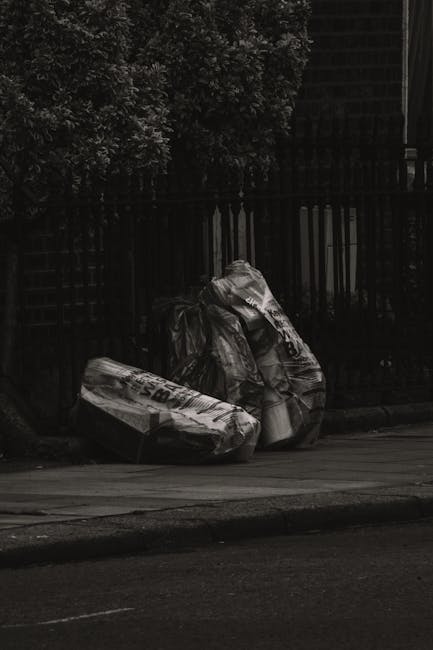
Avoid hidden rubbish removal costs in Deptford
If you have ever booked a rubbish clearance and then seen the final bill creep up, you will know the feeling. A quote can look fair at first, then suddenly there are extras for labour, access, bulky items, or "unusual waste". That is exactly why learning how to avoid hidden rubbish removal costs in Deptford matters. It is not just about saving a few pounds. It is about knowing what you are paying for, what can change the price, and how to keep the whole job straightforward from start to finish.
In Deptford, where homes range from compact flats to older terraces and busy commercial spaces, rubbish removal can be perfectly simple or awkwardly fiddly. The difference usually comes down to the details. This guide walks you through those details in plain English, so you can compare quotes properly, spot the common traps, and make a calmer decision. No fluff. Just the stuff that helps.
Table of Contents
- Why hidden rubbish removal costs matter in Deptford
- How rubbish removal pricing usually works
- Key benefits and practical advantages
- Who this is for and when it makes sense
- Step-by-step guidance
- Expert tips for better results
- Common mistakes to avoid
- Tools, resources and recommendations
- Law, compliance, standards and best practice
- Options, methods and comparison table
- Case study or real-world example
- Practical checklist
- Conclusion
- Frequently asked questions
Why hidden rubbish removal costs matter in Deptford
Hidden costs are frustrating anywhere, but they hit harder when you are already dealing with clutter, a move, a renovation, or a deadline. In Deptford, there are a few reasons this comes up often. Tight streets, stairs, limited parking, basement access, and shared entrances can all make a job more complex than it first appears. And complexity tends to invite extra charges if the quote was not detailed enough.
The real issue is not that every added charge is unfair. Sometimes the extra cost is perfectly reasonable. The problem is when you are not told about it clearly before the job starts. A good rubbish removal service should explain what is included, what might change the price, and what needs a separate quote. If they do not, you are left guessing. Let's face it, nobody likes a surprise when the van has already arrived.
Many people only compare the headline price. That is where the trouble begins. A cheap number can become expensive once the provider adds labour time, congestion-related delays, difficult access, or non-standard waste handling. The better approach is to look at the whole picture and ask a few careful questions up front.
Practical takeaway: the cheapest quote is not always the cheapest job. A clear, itemised quote is usually the safer choice, especially where access or waste type may change the final cost.
If you are planning a clearance alongside other work, it can also help to look at broader services such as waste removal, house clearance, or builders waste clearance. That way the scope is clearer from the start, which reduces the chance of price creep later on.
How rubbish removal pricing usually works
Most rubbish removal companies base pricing on a mix of volume, weight, labour, access, and waste type. That sounds dry, but it is useful because once you understand the formula, hidden fees become much easier to spot.
1. Volume
This is how much space your rubbish takes up in the vehicle. A half-van load costs less than a full load. Simple enough, but the load estimate should be realistic. If your items are awkwardly shaped or packed loosely, the final volume may be greater than expected.
2. Weight
Some waste is light but bulky, while other waste is compact and heavy. Soil, rubble, tiles, broken concrete, and similar materials can increase costs because of weight limits and disposal charges. That is one reason building projects can be more expensive than a standard house clear-out.
3. Labour
If items need to be taken down stairs, carried from the back of a property, dismantled, or moved through a narrow hallway, labour time increases. In Deptford flats and maisonettes, this often matters more than people expect. A quote that assumes easy curbside access may not hold if the crew has to work hard to get everything out.
4. Waste type
General household clutter is usually simpler than specialist waste. Fridges, mattresses, paint, electrical items, and hazardous materials may require separate handling. For example, appliance jobs can be different from standard furniture jobs, so looking at pages like fridge and appliance removal or mattress and sofa disposal can help you understand why those items are often priced differently.
5. Access and parking
If a vehicle cannot park nearby, if there are stairs, or if the team needs to wait while you arrange entry, the price may change. In dense parts of Deptford, this is not unusual. It is just best to deal with it honestly before the work begins.
A reliable company will usually ask for photos, a list of items, and a few notes on access. If they do not ask much at all, that is not always a good sign. Sometimes it means the quote is not as fixed as it looks.
Key benefits and practical advantages
When you take time to avoid hidden rubbish removal costs, you get more than a cleaner bill. You also get a smoother booking process and fewer awkward conversations on the day.
- Better budget control: you know the likely total before anyone starts lifting.
- Fewer delays: the team arrives with a realistic plan and the right equipment.
- Less stress: you are not arguing over what was "included" or "not included".
- Clearer comparison: you can compare like with like instead of chasing the cheapest headline number.
- More suitable service choice: you may realise a specialist service is better than a general one.
There is also a quieter benefit: confidence. Once you know how pricing works, you are less likely to be talked into add-ons you do not need. That can be surprisingly empowering, especially if you have a lot on your plate already.
For businesses, the advantage is even sharper. Unexpected disposal costs can throw off a job budget or office move. If you are clearing stock, documents, furniture, or general waste, it may be worth looking at business waste removal or office clearance so the pricing and logistics are better aligned from the outset.
Who this is for and when it makes sense
This advice is useful for almost anyone arranging rubbish removal in Deptford, but it matters most in certain situations.
- Homeowners and tenants clearing out clutter before a move or tenancy change
- Landlords and letting agents dealing with end-of-tenancy rubbish or abandoned items
- Builders and renovators managing mixed waste from a small project
- Businesses replacing furniture, filing cabinets, or office equipment
- People with bulky items such as wardrobes, mattresses, sofas, and appliances
It also makes sense if you have a property where access is not straightforward. A top-floor flat, a narrow stairwell, shared entry, or difficult parking can all affect the final price. To be fair, these are ordinary London issues. They are not a problem by themselves, but they do need to be discussed.
If you are unsure which type of clearance you need, the relevant service page can help you narrow things down. For example, a storage-heavy room might relate more to loft clearance, while a cluttered side return or outdoor space may be closer to garage clearance or garden clearance.
Step-by-step guidance
If you want to avoid surprises, a simple process works best. Here is the practical version.
- List everything that needs removing. Be specific. "Old stuff in the spare room" is too vague. "Two wardrobes, a mattress, a broken desk, five black bags, and a shelf unit" is much better.
- Take photos from more than one angle. Include stairs, entrances, parking conditions, and anything awkward like narrow hallways or basement steps.
- Ask what the quote includes. Labour, loading, disposal, recycling, congestion, VAT if applicable, and any waiting time should be clear.
- Ask what could increase the price. Good providers will tell you upfront if heavier items, restricted access, or extra volume may change things.
- Check whether specialist items are separate. Fridges, appliances, confidential paperwork, hazardous waste, and some furniture categories may need different handling.
- Confirm the final price format. Is it fixed, estimated, or subject to a site check? That distinction matters more than people think.
- Get the agreement in writing. A written quote or booking summary reduces misunderstandings later. Simple, but very effective.
If you want a more guided booking experience, it can also help to review pricing and quotes before you book online. That is often where the small print is clearer than in a rushed phone call.
One small but useful habit: describe the job as if you were explaining it to someone who has never seen the property. It sounds obvious, but it cuts out a lot of vague assumptions. And vague assumptions are where hidden charges like to hide.
Expert tips for better results
In our experience, the best rubbish removal jobs are the ones where the customer gives enough detail without overcomplicating things. A few expert habits make a big difference.
Be honest about awkward access
If the crew has to carry items down three flights of stairs, say so. If parking is a pain, say that too. Most pricing issues come from missing information, not bad intentions. A bit of honesty early on saves a lot of grief later.
Separate general waste from specialist waste
It is easier to quote accurately when furniture, electronics, and mixed rubbish are not all piled together with rubble or appliances. If you have a mix, say so clearly. It may even be worth splitting the job into categories.
Check whether dismantling is needed
A wardrobe that is ready to lift is very different from one that needs to come apart on site. Same with beds, shelving, and office desks. Dismantling takes time, and time costs money. Better to know before the van arrives, not after.
Use the right service for the job
Not every clearance needs the same approach. A single sofa does not need the same planning as a full property clearance. If you are dealing with a specific item, consider pages such as furniture disposal or furniture clearance rather than assuming a general waste quote will be the best fit.
Ask about recycling and reuse
Some providers separate reusable or recyclable materials where practical. That does not automatically make the job cheaper, but it can make it cleaner and more responsible. If sustainability matters to you, check how they approach it. You might find recycling and sustainability useful here.
A slightly unglamorous tip, but an important one: keep the job area tidy before the team arrives. Not spotless, just clear enough that they can assess the load properly. A cluttered pile looks smaller before sorting, and bigger after. Funny how that works.
Common mistakes to avoid
Most hidden-cost problems come from a few repeat mistakes. The good news is that they are very avoidable once you know what to look out for.
- Comparing only the headline price. A low number without detail is not a real comparison.
- Ignoring access conditions. Stairs, parking, and distance from the van matter.
- Not mentioning heavy or awkward items. Mattresses, appliances, and building waste often cost differently.
- Forgetting to ask about disposal charges. Some items have specific handling costs.
- Assuming everything is fixed without checking. "Estimate" and "fixed quote" are not the same thing.
- Not asking about VAT or admin fees. These can change the final total if they are not mentioned early.
Another common one: people wait until the last minute, then accept the first available quote because the job feels urgent. Understandable, absolutely. But urgency can make hidden costs easier to miss. If you can, give yourself a little breathing room.
Also, do not be shy about asking what happens if the crew finds more waste than expected. A trustworthy company will explain the process clearly. That conversation should feel normal, not awkward.
Tools, resources and recommendations
You do not need fancy tools to keep rubbish removal costs under control. You just need a sensible process.
- Phone camera: take clear pictures of the waste and the access route.
- Simple item list: write down counts, sizes, and any special items.
- Measurements: roughly measure large items if they might affect load size.
- Notes on access: floor level, lift availability, stairs, parking, gate codes, and any time restrictions.
- Quote comparison sheet: jot down what each provider includes and excludes.
For larger clearances, it may help to look at related service pages before you book. A garage full of mixed bits might be closer to home clearance than a basic junk collection. A room full of documents or equipment may be more relevant to office clearance. The better the match, the less chance of pricing confusion.
If you are trying to understand what can be loaded with other materials, the page on what can go in a skip can also help you think through item types, even if you are not hiring a skip. The main idea is the same: different waste streams are handled differently.
Law, compliance, standards and best practice
Any rubbish removal service in the UK should operate in a way that respects waste handling rules, duty of care expectations, and general health and safety practice. You do not need to become an expert in regulations to book a job, but it helps to know the broad principles.
At a practical level, that means checking whether the provider handles waste responsibly, keeps items secure during transport, and can explain how they deal with restricted items. If you are disposing of electrical equipment, fridges, confidential material, or anything that may be hazardous, the company should treat it as a separate conversation rather than bundling it into a generic collection.
For businesses, the bar is a bit higher. Waste records, secure handling, and reliable collection processes matter more because the disposal chain can affect your operations and your own compliance responsibilities. If the waste includes sensitive documents, look at confidential shredding rather than treating paper like ordinary rubbish.
Safety also matters. Heavy lifting, sharp objects, dusty lofts, and awkward furniture all carry risk. A reputable provider should have a sensible approach to safe loading and transport. You can read more about those expectations through insurance and safety and health and safety policy.
And if a company ever seems vague about how waste is handled, that is worth pausing over. Not because every unclear answer means trouble, but because clear answers are the norm when the process is well run. Simple as that.
Options, methods and comparison table
There are a few common ways people deal with rubbish in Deptford. Choosing the right one can make a big difference to cost clarity.
| Option | Best for | Cost clarity | Common risk |
|---|---|---|---|
| Man and van style collection | Small to medium mixed loads, bulky items, quick clearances | Usually good if the quote is detailed | Extra charges if access or waste type is not declared |
| Skip hire | Ongoing DIY, builders waste, loads collected over time | Clear if you know the skip size and permit needs | Permit, size mismatch, or overfilling |
| Specialist item removal | Appliances, sofas, mattresses, confidential items, hazardous materials | Very clear when item type is specified | Assuming a generic waste price applies |
| Full property clearance | Emptying a flat, house, loft, garage, or office | Good when inventory is prepared | Underestimating volume or labour time |
The right choice depends on what you are clearing and how urgent it is. If you are removing just one or two large items, a dedicated service can be cleaner and simpler. If you have rubble or building debris, a more specific service such as builders waste clearance may be more suitable than a general collection. If it is a business job, business waste removal may be the better route.
Truth be told, the "best" method is the one that matches the waste, the access, and the schedule. Not the one with the flashiest headline price.
Case study or real-world example
Here is a realistic example based on a typical Deptford clearance. A resident in a second-floor flat wanted to clear a broken wardrobe, a mattress, four bags of mixed rubbish, and a small fridge. The first quote they received was suspiciously low, but it did not mention stairs, appliance handling, or disposal conditions. On a closer look, the job would have involved carrying everything down a narrow stairwell with limited parking outside.
They then requested a more detailed quote, sending photos of the items and the stairway. The revised price was higher, but it was honest. It included the access issue, the appliance, and the mixed-load handling. No nasty surprise at the door. No awkward haggling beside the van. Just a job done properly.
What changed? Not the waste itself. The information changed. That is usually where hidden costs begin to disappear.
Another example: a small business clearing out old office chairs and storage units assumed it was just ordinary rubbish. Once they listed the items properly, they realised the job was closer to office clearance with a few bulky pieces that needed careful removal. The final quote made sense because the provider knew what to expect. That is the point, really.
Practical checklist
Use this quick checklist before booking.
- Have I listed every item clearly?
- Have I added photos of the waste and the access route?
- Have I asked whether labour, loading, and disposal are included?
- Have I checked whether stairs, parking, or waiting time could affect the price?
- Have I mentioned bulky, heavy, or awkward items?
- Have I separated specialist items like fridges, mattresses, or confidential waste?
- Have I asked whether the quote is fixed or estimated?
- Have I confirmed whether VAT or other charges apply?
- Do I understand what happens if the load turns out to be larger than expected?
- Have I compared more than just the headline price?
If you can answer yes to most of those, you are in a strong position. And if not, no drama. It is better to pause and clarify than to rush into a quote that looks tidy but turns messy later.
Conclusion
The best way to avoid hidden rubbish removal costs in Deptford is to slow down long enough to get the basics right: clear item details, honest access information, a proper written quote, and a realistic understanding of what the job involves. That is usually enough to stop most unexpected charges before they start.
Whether you are clearing a flat, a garage, an office, or a pile of mixed household waste, a good provider should be open about pricing and specific about what is included. If something feels vague, ask again. If a quote seems unusually low, check it carefully. It is not being difficult. It is being sensible.
The nicest jobs are often the boring ones. Clear quote, clear plan, clear van, done.
Get a free quote today and see how much you can save.
If you are ready to make a decision, start with a detailed quote request and use the relevant service page to match your waste type properly. A little clarity now can save a lot of hassle later, and that peace of mind is worth a fair bit.
Frequently Asked Questions
What counts as a hidden rubbish removal cost?
It is any charge that was not made clear before the job started. That might include extra labour, difficult access, heavier waste, specialist item handling, or disposal-related fees.
Why do rubbish removal quotes change after the crew arrives?
Usually because the actual job differs from the description. More waste, heavier items, stairs, parking problems, or specialist materials can all change the price if they were not declared up front.
Is the cheapest rubbish removal quote always a bad idea?
Not always, but it should be checked carefully. A low quote can be fine if it is detailed and fixed. If it is vague, it may leave room for extra charges later.
How can I compare rubbish removal prices properly in Deptford?
Compare what is included, not just the headline figure. Look at labour, disposal, access assumptions, specialist item handling, and whether the quote is fixed or estimated.
Do stairs and parking really affect the price?
Yes, they often do. If the team has to carry waste a long distance, up or down stairs, or wait for access, the labour time and difficulty can increase.
Should I send photos before booking?
Yes, absolutely. Photos help the provider judge volume, item type, and access conditions much more accurately, which usually leads to a better quote.
Are fridges, mattresses, and sofas priced differently?
Often, yes. Items like fridges, mattresses, and sofas may need separate handling or disposal arrangements, so it is best to mention them clearly before you book.
What should I ask before agreeing to a rubbish removal quote?
Ask what is included, what could change the price, whether the quote is fixed, whether VAT applies, and how specialist items are handled. Those five questions cover most of the common surprises.
Can rubbish removal be cheaper than skip hire?
Sometimes it can, especially for mixed bulky waste or when you want everything removed quickly without arranging a permit or loading a skip yourself. It depends on the job size and the type of waste.
What if I discover extra rubbish on the day?
Tell the provider before the job starts. A decent company will explain whether the extra items can be included and what that does to the price. Surprises are easier to handle when they are discussed early.
How do I avoid paying for waste I do not actually have?
Make a clear list, count the bags, and describe bulky items properly. It sounds basic, but an accurate inventory is one of the simplest ways to keep the price fair.
Where can I find a service that is more transparent about pricing?
Look for a provider that explains pricing clearly, offers written quotes, and discusses access and waste type before confirming the job. A page like pricing and quotes is a good place to start if you want to understand the process better.