Health & Safety Policy — Commercial Waste Deptford
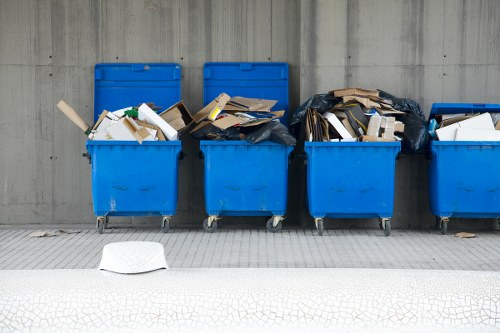 This Health & Safety policy sets out the commitment of our commercial waste and rubbish removal operation to protect employees, contractors, customers and the public across our rubbish company service area. The policy applies to all activities relating to the collection, transportation, temporary storage and transfer of commercial rubbish and waste. Our objective is to conduct waste management and commercial waste services in a manner that minimises risk, meets statutory obligations and achieves continuous improvement in safety performance. The policy provides the framework for operational rules, responsibilities and monitoring.
Our organisation recognises that safe waste collection and removal depends on documented systems and active management. We will ensure that all work is planned and risk-assessed, that appropriate control measures are in place, and that staff are competent to perform their duties. Preventing injuries, occupational illnesses and environmental harm is a principal aim, and we will allocate resources to maintain safe plant, safe vehicles and safe methods for handling commercial rubbish and hazardous loads. Managers and supervisors will be accountable for implementing safety arrangements in their areas.
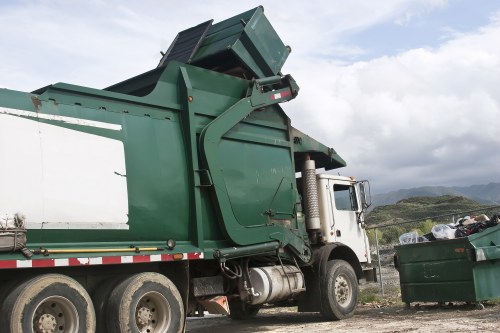
Responsibilities and accountabilities
Senior management will provide visible leadership, define responsibilities and ensure legal compliance for waste collection activities throughout our rubbish collection service area. Line managers are responsible for day-to-day safety supervision, ensuring risk assessments are current and that permits and paperwork accompany hazardous waste disposals. Employees must follow safe systems of work, use issued PPE correctly and report defects, incidents or unsafe conditions promptly. Contractors and visitors are required to comply with on-site rules and cooperate with safety briefings.All significant hazards associated with the waste management lifecycle will be identified through systematic risk assessments. Typical risks include manual handling injuries during commercial rubbish collection, slips and trips in and around storage areas, vehicle collisions during roadside collections, exposure to sharps or contaminated waste, and fire risks in communal bin stores. Control measures will include engineering controls, safe working procedures, segregation of waste streams, secure loading practices and provision of mechanical aids.
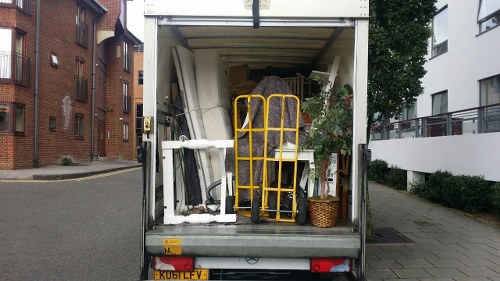
Training, competence and behaviour
We commit to training that reflects the diversity of duties across the waste removal service: drivers, loaders, office staff and depot personnel will receive role-specific instruction. Training topics include safe driving and vehicle checks, manual handling and lifting techniques, correct use of lifting gear and bin lifters, chemical awareness for hazardous loads and spill response. Refresher training and assessments will be scheduled regularly to maintain competence. Personal behaviour and adherence to safety rules are essential — unsafe practices will be addressed through coaching and, when necessary, disciplinary procedures.PPE requirements will be clearly defined for all tasks: high-visibility clothing, safety footwear, gloves resistant to cuts and punctures, eye protection and respiratory protection when handling dusty or odorous materials. Equipment and vehicles will undergo pre-use checks; faults will be recorded and remedied promptly. Vehicle safety controls include reversing alarms, designated banksmen where required, secure lashing of loads and compliance with drivers’ hours regulations to manage fatigue in the waste collection sector.
Safe handling of hazardous waste and contamination controls — commercial rubbish collections sometimes encounter hazardous or contaminated items. Such loads will be segregated, labelled and handled in line with statutory guidance. Spill kits and containment materials must be available at depots and on vehicles. Where asbestos, medical waste, electrical goods or chemical drums are identified, operations will follow specialist handling procedures and liaison with authorised disposal routes. Emergency services will be engaged for incidents beyond our control or capability.
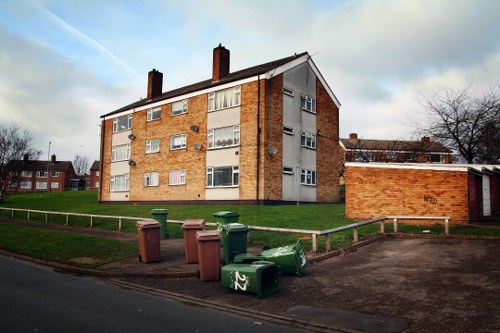 Incident reporting, investigation and corrective action are integral to improving safety. All accidents, near misses and environmental incidents must be reported through the company system without delay. Investigations will determine root causes and implement corrective and preventive measures. Lessons learned will be shared across the rubbish removal network to reduce recurrence. Records of training, risk assessments, vehicle inspections and incident reports will be retained to support audits and regulatory checks.
 Monitoring, review and continuous improvement form the final layer of control. We will conduct regular site and vehicle inspections, safety audits and performance reviews to measure adherence to this policy. Health surveillance will be provided where risks to employee health are identified. The policy will be reviewed at least annually or sooner when organisational or legislative changes occur. Our commitment is to maintain a safe and healthy working environment for everyone involved with the commercial waste and rubbish collection services we operate in the service area.
Implementation statement: This policy will be communicated to all staff, made available to contractors and displayed at depots. Responsibility for implementation rests with senior management while every employee has a duty to work safely and report concerns. With these arrangements we aim to deliver reliable, compliant and safe waste collection and rubbish removal across our service area.
